Cheaper, Cleaner Heat for Factories.
We're developing containerized heat pumps for industrial process heat at 100–250°C. Our hybrid system pairs efficient electric heat with your existing gas boiler, choosing the lowest-cost heat source as energy prices change.
Factories Are Paying Too Much for Heat
From food and packaging to textiles and chemicals, factories rely on heat every day. Energy accounts for 10–40% of manufacturing costs, and dependence on fossil gas leaves businesses exposed to volatile prices.
Resistive electric boilers turn one unit of electricity into one unit of heat. That can mean high running costs and a large grid connection. Heat pumps use electricity to upgrade ambient or waste heat, delivering more heat for each unit of electrical power.
Focused on 100–250°C Process Heat
Our target segment represents around 20% of industrial heat and more than $200 billion in annual energy spend. We focus on food and beverage, textiles, paper, and chemicals, where factories need dependable process heat and a workable route to electrification.
Cheap Electricity Is Hiding in Plain Sight
Our energy optimizer is designed to compare the cost of heat from electricity and gas throughout the day. A heat pump's coefficient of performance (COP) measures how much heat it delivers per unit of electricity. A higher COP extends the hours when electric heat can compete with gas.
These historical 2024 wholesale electricity prices illustrate the opportunity. Actual operating costs also depend on your tariff, grid charges, heat source, and process temperature.
2024 EU Price Duration Curves
Y-axis capped at €300/MWh for readability ( 34 rare points are above this level).
Historical data: Download the 2024 price duration data. Wholesale prices exclude site-specific charges.
Hybrid Heat, Built Around Your Factory
Airthium's system is designed to sit in containers outside your factory and connect to your process heat network. It upgrades an ambient or waste heat source using electricity, while your existing gas boiler remains available to keep heat flowing when electricity is more expensive.
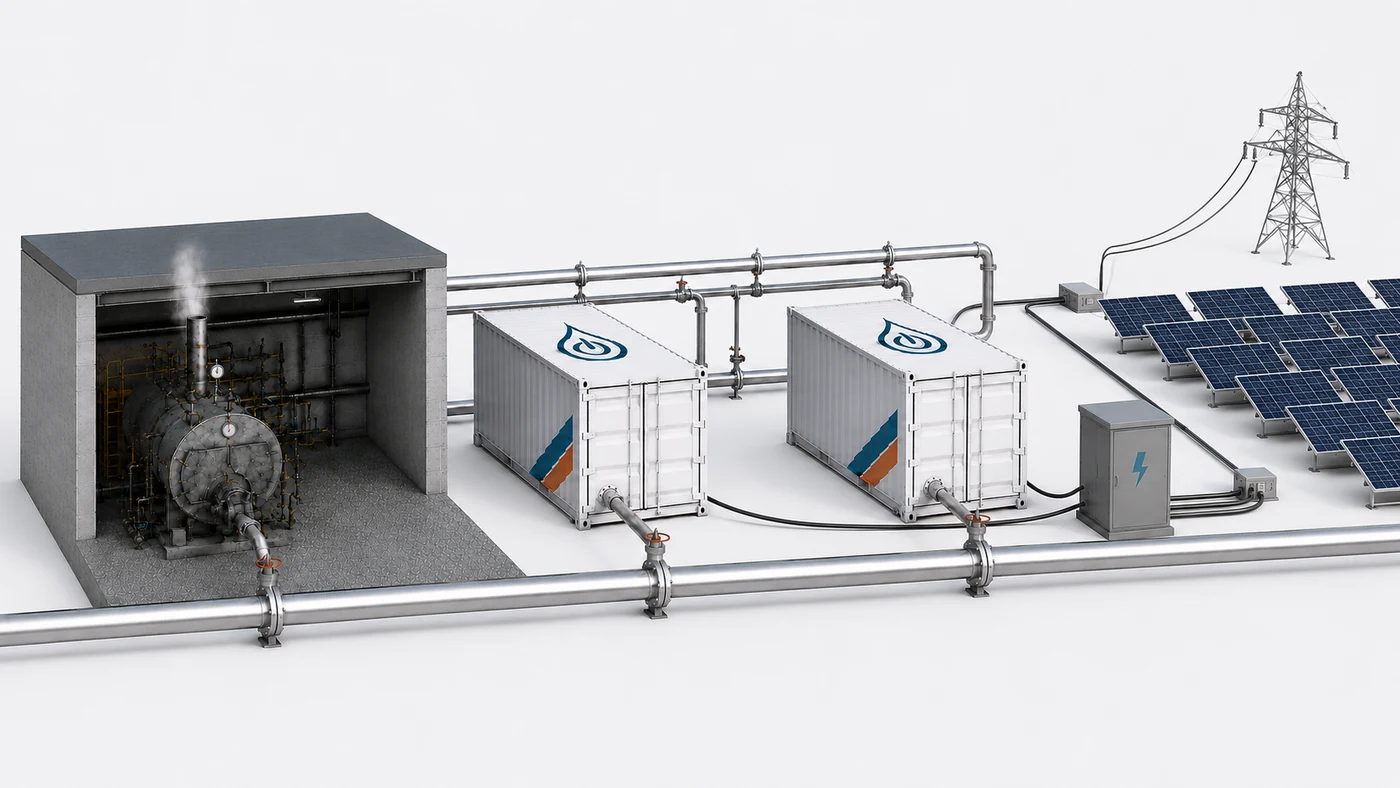
Recover heat
Use ambient or available waste heat as the thermal input.
Upgrade with electricity
Raise that heat to the temperature your process requires.
Compare heat costs
The energy optimizer selects the cheaper available source.
Keep production running
Your gas boiler provides continuity when electric heat costs more.
A Patented Stirling Machine
Our core technology compresses and expands a working gas to move heat. Airthium's innovation is fast, near-isothermal compression and expansion, designed to reduce energy losses. Two international patents protect the platform.
- A non-toxic working gas with zero global warming potential
- Variable output designed to follow process demand and grid signals
- A platform designed to scale across temperatures, power ranges, and applications
The technology is designed for temperatures of 250°C and above. Our current prototype has reached 145°C. The next phase of testing will measure COP across operating conditions and validate flexibility and endurance.
Our 1 kW Prototype
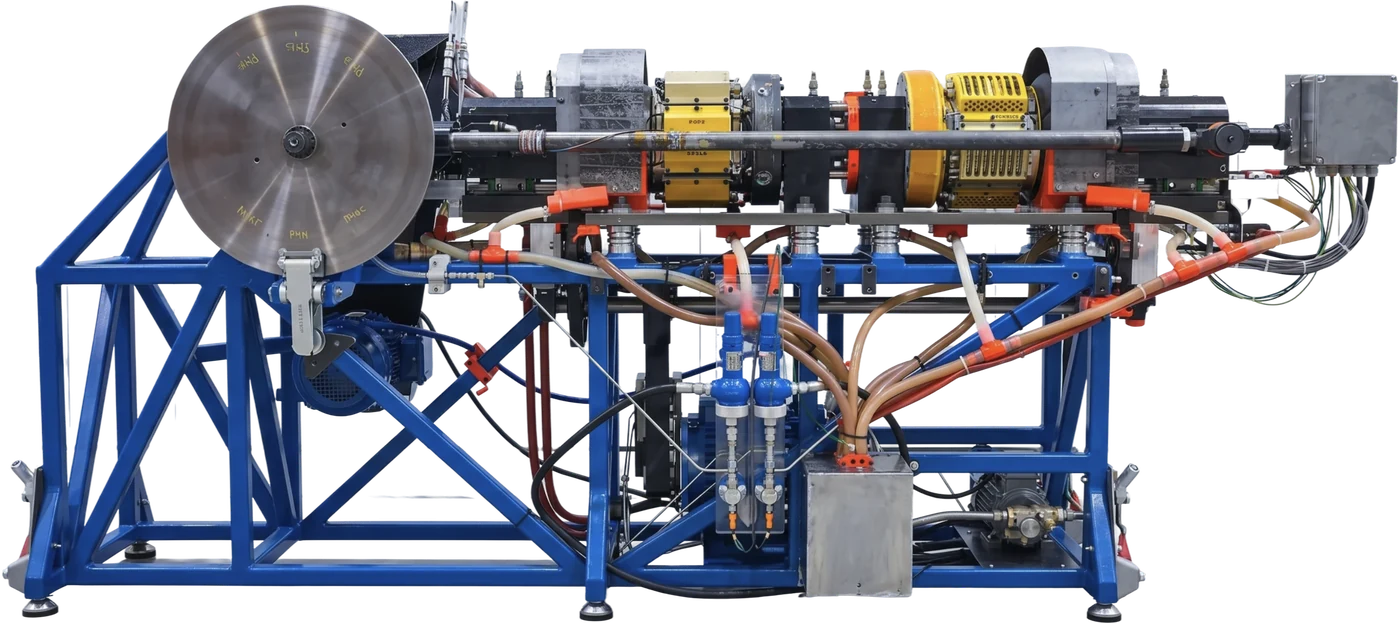
Our 1 kW prototype reached 145°C in short test runs. Core physics models are established. Efficiency has yet to be measured, and performance validation is the focus of our next demonstrator.
Heat-as-a-Service
Our planned commercial offer lets factories buy heat by the megawatt-hour without an upfront investment in heat pump equipment. Airthium and its financing partners provide the system, with the aim of supplying heat below the cost of gas from day one.
- No upfront equipment investment
- Equipment financing sits with Airthium and its partners, freeing customers to invest in their core business.
- Pay for the heat you use
- A price per MWh makes the offer directly comparable with the cost of your existing heat supply.
- Keep your existing boiler
- Hybrid operation preserves a backup heat source and is designed to maintain production continuity.
- Use electrical capacity efficiently
- Heat pump efficiency reduces the electrical power required for the same heat output compared with resistive heating.
As deployments scale, flexible operation could also support grid services. Customer economics will be assessed for each site, including energy prices, available heat sources, process needs, and grid connection capacity.
From Prototype to Commercial Scale
We have demonstrated 145°C heat with our 1 kW prototype. Our next step is a 10 kW demonstrator to measure efficiency, test variable loads and start/stop operation, and establish endurance before scaling to an industrial pilot.
145°C demonstrated
Validate performance at 10 kW
First 100 kW industrial pilot
Commercial launch
Development roadmap as of September 2026. Future milestones are targets.
Built by Engineers and Scientists
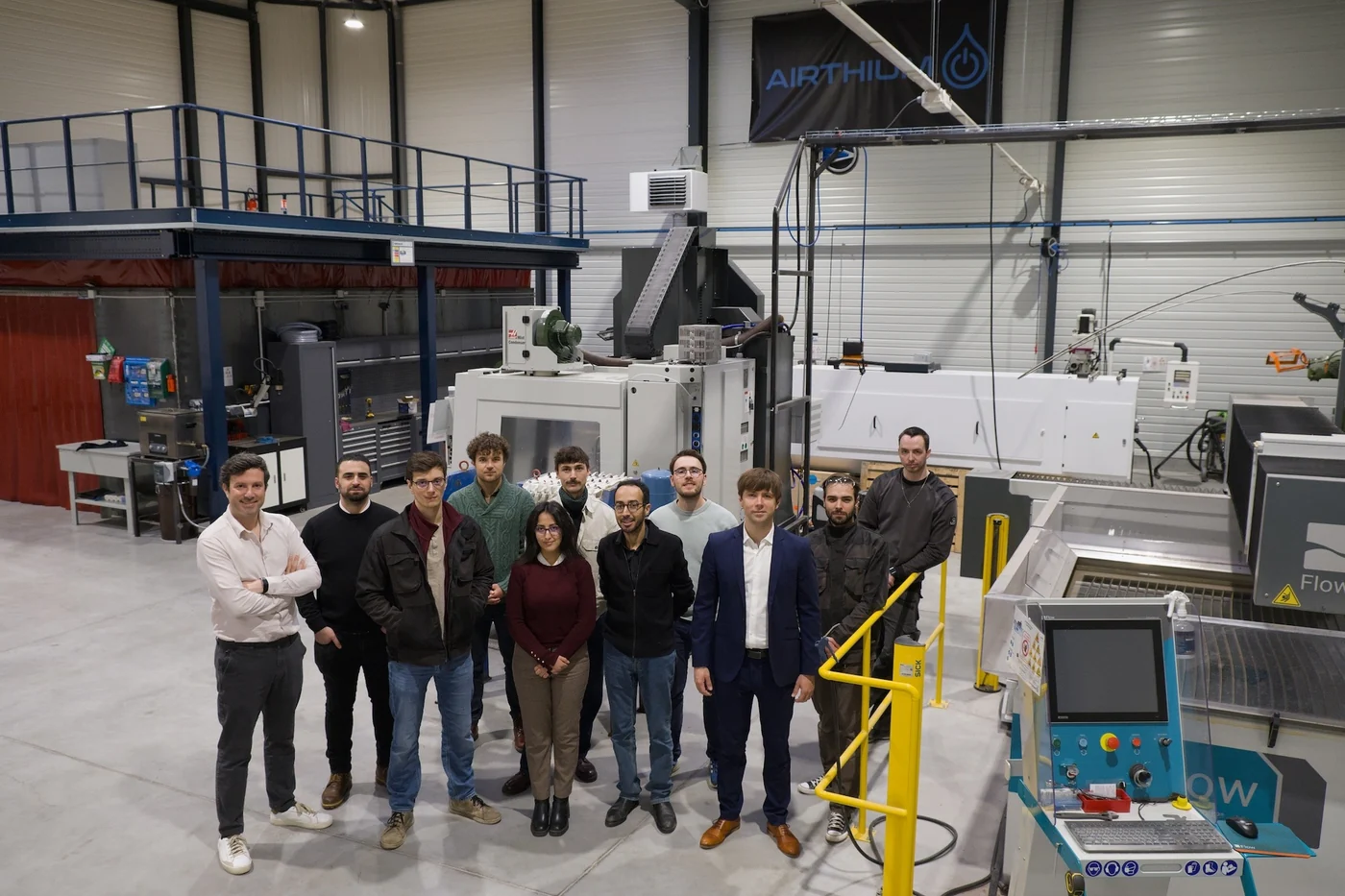
Our co-founders work alongside 13 engineers and PhDs, combining thermodynamics, mechanical engineering, and industrial experience with an in-house prototyping platform.
Leadership

Advisory Board
Get in Touch
If your factory needs process heat at 100–250°C, let's assess where hybrid electrification could fit. Talk to us about your heat demand, available heat sources, and energy costs to explore a future pilot or Heat-as-a-Service project.
Prefer email? Reach us at: [email protected]